Mission
MISSION TO
CULTIVATE,
CONNECT AND
CORRELATE
The Flight Training Center of Korea Aerospace University
Cultivate leaders in the aviation industry by training future aviation professionals,
Connect students and the industry
by linking aspiring trainees with the aviation industry that requires skilled talent,
and Correlate with the government and local communities to contribute to national and societal development.




Vision
"We anticipate, develop, and introduce end-to-end training solutions to students and the aviation industry."
We identify, develop, and implement training programs that meet the diverse demands of the aviation industry, producing skilled personnel who can immediately contribute to the industry.
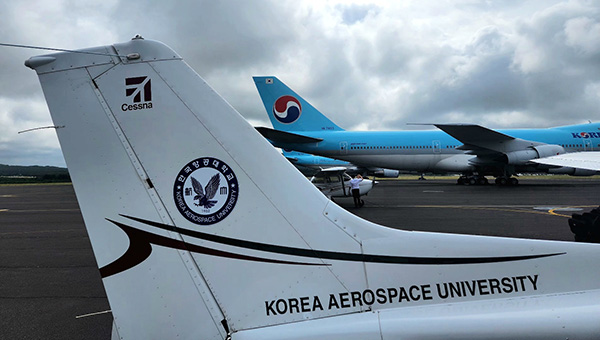
MPL (Multi-crew Pilot License) Training Course
Developing a Korean MPL curriculum as part of a government project (ongoing)
* MPL training is a competency-based pilot training method aimed at producing airline-customized pilots, currently being operated mainly in Europe, the Middle East, and Asia.
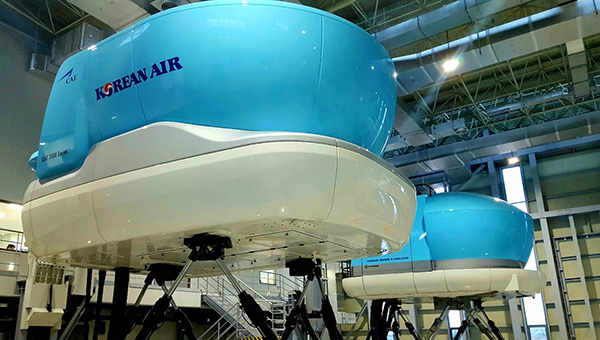
Customized Airline Training
Offering customized training for pilots currently employed by airlines, focusing on aviation knowledge and flight training to meet airline requirements.
Developing flight simulation training for specific airline aircraft (B737, A320, etc.) to produce pilots ready for immediate use by airlines.
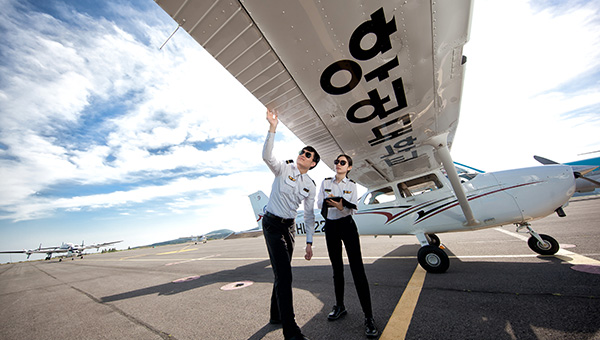
Aviation English, Language and Culture
Based on ICAO Doc 9835 and Cir 323 standards, this aviation English-based curriculum enhances Navigate & Communicate skills for safe flight operations.
Provides comprehensive training on airline operations and culture, improving pilot flight capabilities and achieving EPTA Level 5 or higher in aviation English.
(Available online and offline)
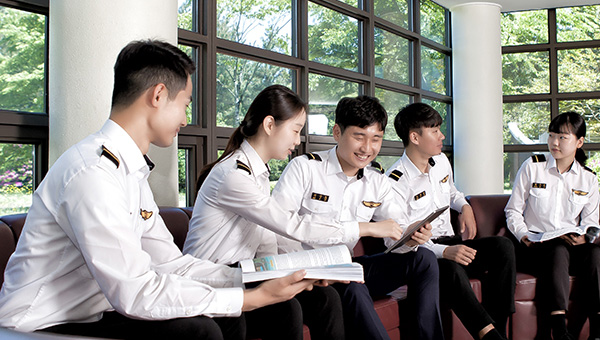
Civil Aviation Pilot Leadership Course
Understanding and applying essential leadership skills required for airline pilots (knowledge, responsibility, authority, consideration, and trustworthiness) to develop effective CRM (Crew Resource Management) capabilities.

Contribution to Aviation Education Growth
Participating in government-led projects such as developing standardized pilot programs, aviation English textbooks, and expanding flight training infrastructure to enhance the level of aviation education in the country.
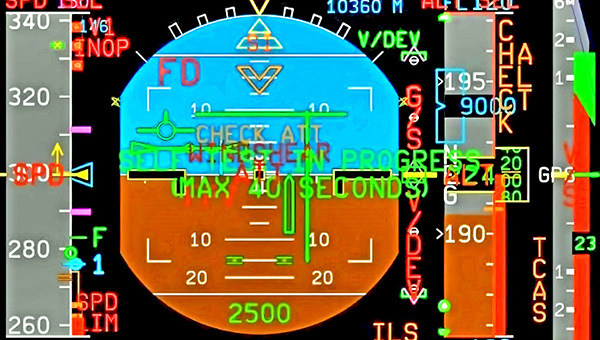
Smart Training
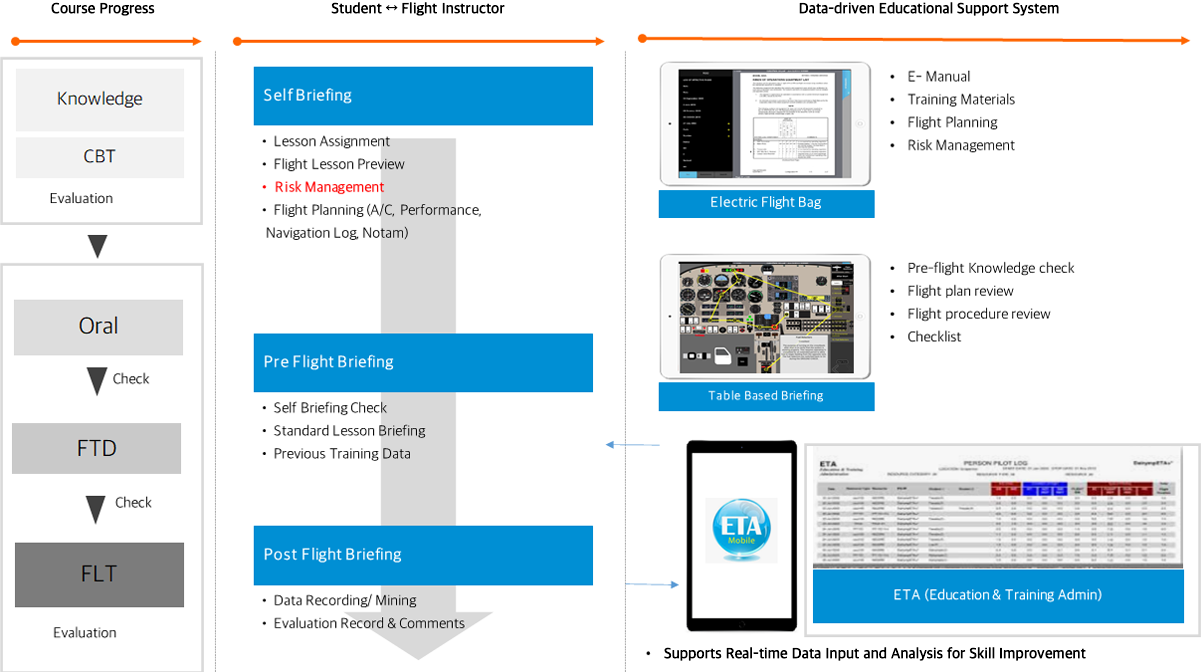
Offering a trainee-centered, customized education service through the introduction of an Electric Flight Bag (e-Book, e-chart, e-manual, e-SMS, e-LMS, e-Planning) that combines iPads and e-learning technologies.
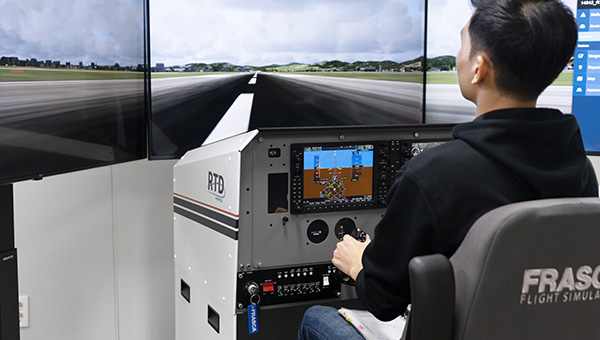
Next Generation Aviation Professionals (NGAP)
Contributing to the development of next-generation aviation professionals through career exploration programs, aviation camps, and drone experience programs aligned with ICAO NGAP policies.
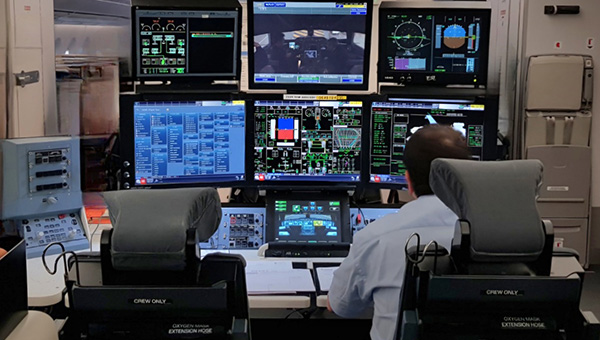
Flight Training R&D
Continuously improving training programs through research utilizing accumulated educational data and reflecting real-time training data.
Developing a flight training program optimized for Korea.
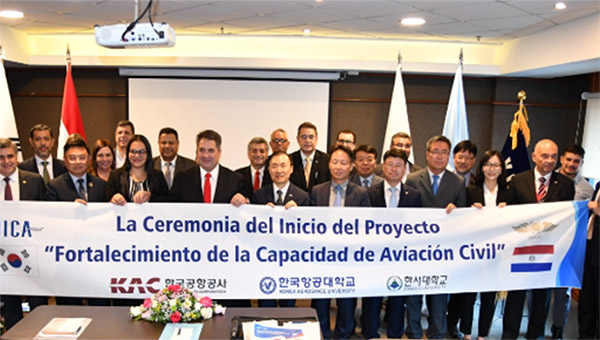
International Aviation Human Resource
Development
Conducting a project to strengthen aviation professionals' capabilities in Paraguay through cooperation with KOICA and Korea Airports Corporation (2019-2022) and continuously contributing to international aviation human resource development.
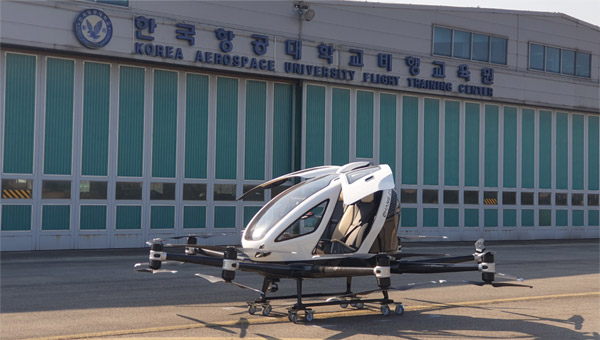
Urban Air Mobility (UAM)
Training UAM professionals and providing specialized advanced education to industry workers in future aviation mobility.
Promoting a friendly urban air mobility culture through UAM camps and experience events.
Contributing to the establishment of UAM certification and qualification systems in Korea.
Values
The values that define us
-

We guarantee the highest quality in all educational processes, cultivating the best resources equipped with the knowledge, skills, and attitudes necessary for flight missions.
-

We cultivate strong leaders who are committed to society, organizations, and others for successful and safe aviation operations.
-
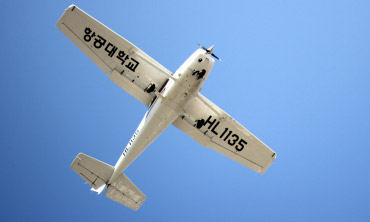
The Flight Training Center is the place for passionate individuals who aspire to become future aviation leaders on the global stage.
Strategy
WE MANAGE,
DELIVER TRAINING ACCORDINGLY
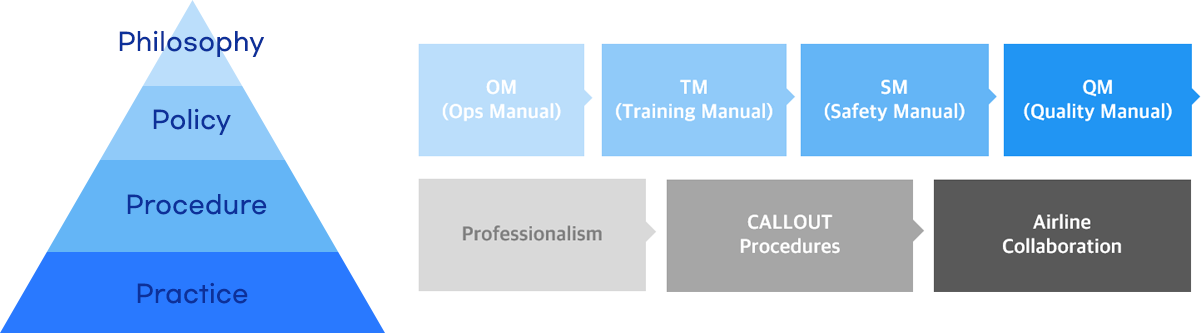
We offer structured training to trainees through systems like the 4Ps framework, enhancing their understanding and adaptability to the aviation industry’s operational systems.
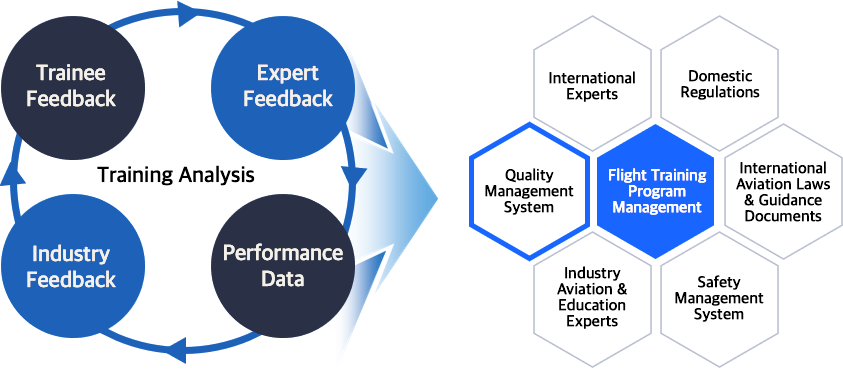
We gather input from various members to enhance the quality of education and develop new programs.
We provide customized education tailored to each trainee’s skills and tendencies through a data-driven training system, offering objective and detailed results to the industry.
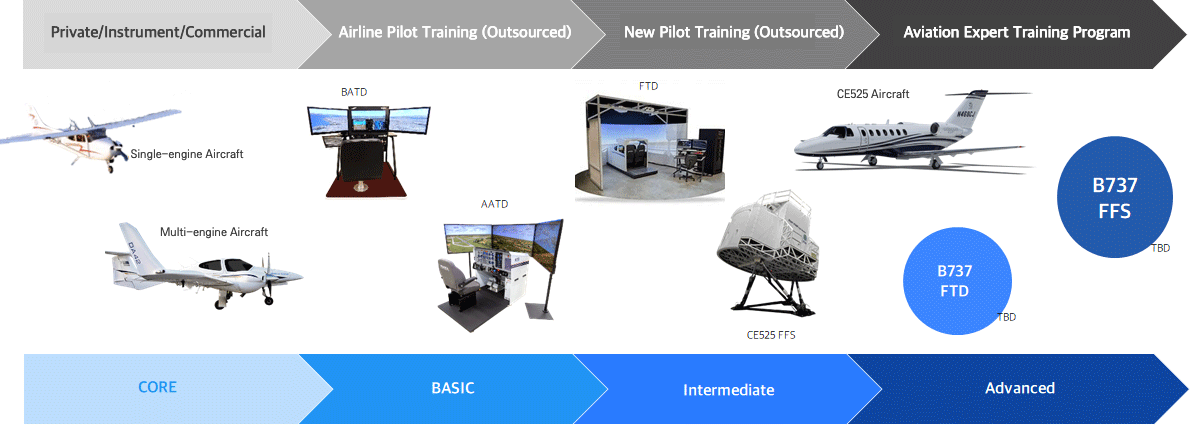
We offer education that meets the demands of the industry using the latest educational equipment.
Sustainability
WE ARE CREATING
VALUE AND
SUSTAINABILITY
THROUGH ESG
We aim to lead the aviation education sector and contribute to the aviation industry through innovations in environment, society, and governance.
ESG IN AVIATION TRAINING
-

Environmental
- Promoting the reduction of air pollution through electric aircraft training
- Reducing real aircraft flight training by expanding simulator training
- Continuously improving procedures to reduce noise from training aircraft
- Managing hazardous materials and chemicals in compliance with environmental laws
- Enhancing environmental management capabilities through trainee education
-

Social
- Collaborating with local governments and relevant agencies in the fields of aviation and unmanned aerial vehicles for the development of advanced 4th industrial technologies
- Expanding opportunities for youth aviation experiences to nurture future aviation talent
- Continuously promoting mutual growth and cooperation with local residents through community councils near the flight training centers
- Supporting the establishment of aviation pilot training systems in underdeveloped aviation nations
- Contributing to enhancing societal acceptance of new and advanced future aviation technologies
-

Governance
- Operating and complying with high-level regulations and standards
- Implementing fair trainee selection and management criteria
- Providing accurate and transparent information to support optimized career decisions in aviation pilot fields
- Fostering open communication regardless of rank or position through the aviation safety management system
- Ensuring the protection of trainee education funds through transparent and accurate accounting management